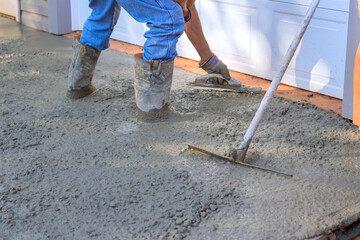
How Much Does Concrete Driveway Repair Cost?

Driveway Repair Nashville

A well-maintained concrete driveway protects the value of your home and reduces the risk of accidents. However, it is common for driveways to suffer damage over time.

The amount you pay to repair your driveway depends on the type of damage and its severity. Contact Driveway Repair Nashville for more information.

Filling Cracks

Whether you opt for DIY or professional driveway repair depends on the extent of damage and what kind of results you’re looking for. It’s important to regularly inspect your concrete for signs of damage, and catching any issues early often saves money in the long run. For example, cleaning dirt or oil from concrete, caulking cracks, lifting sunken slabs and filling voids underneath are all relatively inexpensive fixes if performed quickly.

Filling surface-level hairline cracks with a concrete patch kit typically runs under $100 for 24 linear feet of cracks less than 1/4” wide. However, if you’re dealing with widespread spalling, heaving or other significant structural problems, you’ll need to have professionals assess the problem and find a more permanent solution.

Staining or stamping your driveway adds to its cost, but it can also enhance its durability by ensuring the concrete is of higher quality. If your concrete is pitted and heaving to the point that even resurfacing won’t give you a durable surface, full replacement may be necessary.

When it comes to resurfacing or staining, the size of your driveway and how curved or sloped it is can affect costs. For instance, a curved driveway with lots of nooks and crannies will take more time to work on than a flat, square driveway with few breaks in the surface. You’ll also need to consider any extra services you might require. For example, if you have imprinted concrete, you’ll need to hire a company that can match the original pattern. In addition, you’ll probably want a weed control service to ensure your repaired driveway is protected from growth and additional damage. These extra services can add up to thousands of dollars for a comprehensive project.

Filling Potholes

Concrete driveways experience a variety of damage over time. Some are small and cosmetic, while others cause significant structural problems that require extensive repair or even replacement. Ultimately, the type of damage determines how much you’ll spend on repairs.

Surface cracks are the cheapest to fix, but large structural cracks often indicate a shifting sub-base or roots under the slab. To resolve this, contractors inject specialized materials like epoxy or polyurethane caulk into the cracks to prevent water from seeping in and causing further damage. The price depends on the type of cracks and what caused them, but the cost is typically no more than $25 per square foot.

Potholes are another common problem, and they can be costly to repair. They’re usually caused by poorly installed or poured concrete, as well as heavy vehicles, poor drainage, and soil conditions. A professional can fill a single pothole for as little as $75, but the cost will increase if you have multiple holes to repair or have them repaired by a professional who has a minimum trip charge.

Staining and stamping are popular upgrades that set your driveway apart from basic greige, but they’re also expensive. Staining or stenciling a concrete driveway adds an additional $2 to $7 per square foot to the repair costs, while matching the texture could take up to a day to complete.

In addition to repairing damage, you might need to add drainage solutions to your concrete driveway. These can include French drains, grading, or a full replacement if your concrete is pitted and sinking. While these can be costly, they’re essential for preventing further structural damage to your concrete.

Resealing

Resealing is a recurring cost that keeps the surface of your concrete driveway protected from water damage, cracking, and other structural problems. It usually costs $0.50 to $3 per linear foot for a professional to spray or roll on a protective sealer. You can do this yourself for a fraction of the price if you’re comfortable working with concrete.

If you have a large number of small cracks and potholes that need repair, or if your driveway is older than 20 years, resurfacing may be a better option. It’s usually 50-80% less than replacing your driveway and will provide a fresh new look.

If your concrete driveway has serious structural problems, you’ll likely need to have it replaced. Sinking sections of the driveway, severe surface damage, and drainage issues require more extensive work that can’t be carried out by patching or resurfacing alone.

When comparing repair options, consider the amount of time and money you’ll spend on DIY projects. Working with concrete is challenging and messy, so it’s best to hire a professional contractor for most repairs. Choose a contractor with a good reputation, a portfolio of previous work, and proper licensing and insurance.

The average driveway repair costs between $300 and $5,850, depending on the size, type, and severity of damage. If you want to add special features like heating, drainage, and decorative borders, your costs will increase. Replacing your driveway is a major investment, but it’s often cheaper and longer-lasting than trying to fix the problem yourself with costly DIY methods. Whether you have minor surface damage or major structural problems, there are many repair options that can restore your driveway to its original condition.

Resurfacing

Concrete driveway resurfacing involves covering the entire surface of your existing concrete driveway with a layer of self-leveling concrete or a paving material, which covers and hides any cracks and discoloration. Professionals typically pressure wash the concrete to remove any dirt and stains that may interfere with the new finish. If the existing concrete is brushed, stenciled, or stamped, your contractor will try to match it as closely as possible to save time and money.

The cost of resurfacing your driveway depends on the extent of damage and the type of finish you choose. A brushed finish costs an extra $1 to $3 per square foot, while matching a stenciled or stained pattern can add $10 or more per square foot to the project.

Resurfacing your concrete driveway is not just a cosmetic improvement—it helps to prevent further damage from environmental factors and extend the lifespan of your concrete. In some cases, resurfacing is more affordable than replacement for damaged or heavily worn concrete.

Before resurfacing, your contractor will fill any cracks and small holes with concrete patching material and repair the expansion joints to ensure the new surfacing adheres properly. Contractors will also make sure your driveway has adequate drainage and any underlying issues, like soil erosion or water penetration, are addressed to prevent further damage.

Repairing and resurfacing are not the only options for a deteriorating concrete driveway, but they’re the most economical choices. A full replacement costs more upfront but provides a long-term solution and addresses any underlying structural issues. If you’re not sure which option is right for you, schedule a consultation with a concrete professional to assess the damage, identify the root causes, and receive a transparent quote.

Mudjacking

During its 50-year lifespan, your concrete driveway is likely to develop some cracks and potholes. But major damage is less common, so it’s important to inspect your driveway regularly to catch problems early. This could save you a few hundred dollars in repair costs or a costly replacement bill.

Depending on the extent of your damage, repair options vary from using self-leveling concrete crack filler to resurfacing for a fresh look. For large craters or holes, you’ll likely need to use mudjacking, which involves pumping a mixture of water, soil, and cement under the sunken concrete slab. The slurry fills voids and lifts the slab back into place.

To carry out this process, a professional crew will first drill small holes in the sunken section of the driveway. Then a slurry mixture is pumped through these holes under high pressure. As the slurry fills and lifts the sunken slab, it also relevels the rest of the driveway. Once the concrete is back in its original position, the drilled holes are patched and sealed.

Mudjacking raises sunken sections of the concrete, but it doesn’t address underlying issues like poor soil conditions or tree roots. It’s important to discuss your options with a professional before hiring a contractor for this type of major work.
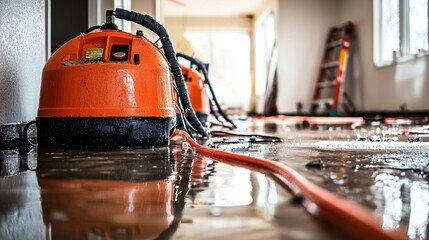
The Importance of Professional Drying and Dehumidification

Visit Website

When water damage occurs, prompt action is essential. If left untreated, even a small amount of moisture can cause major structural damage and result in costly repairs.

Thorough drying and dehumidification are key steps in the restoration process. Professionals use high-powered air movers to circulate dry air over wet materials, speeding up evaporation. Visit Website for more information.

Reduces the Risk of Mold Growth

Moisture and humidity create a perfect environment for mold to thrive, weakening materials, increasing damage, and contributing to health problems. Professional drying and dehumidification removes moisture, lowers humidity, and promotes a healthy indoor environment, reducing the risk of long-term damage and restoring a safe, comfortable space.

After a water loss, restoration professionals quickly and thoroughly dry wet structures to prevent long-term damage. This ensures that building materials and contents return to their pre-loss condition, including structural integrity. Thorough drying also helps minimize downtime, allowing businesses to operate as usual. It is important to take a measured, comprehensive approach to drying, which includes an inspection, moisture mapping, and identifying specific drying goals for different materials and types of damage.

There are two main ways that water can be removed from a wet structure: extraction and evaporation. Extraction involves vacuuming, mopping, and squeezing out liquid water, but the remaining moisture must evaporate on its own to avoid structural damage. To speed up evaporation, air movement is essential, and restoration technicians use high-powered fans to direct airflow over surfaces, enhancing evaporation and minimizing cross-contamination.

Water vapor naturally changes from a liquid to a gas in the air, and the rate at which this happens depends on temperature, temperature gradients across surfaces, and other environmental factors. Commercial-grade industrial fans are designed to accelerate this process by increasing the velocity of airflow over wet surfaces.

When mold is left untreated, it can weaken floorboards and walls, leading to costly structural damage. Molds are fungi that thrive in damp, humid environments, and they can easily grow in the nooks and crannies of buildings where there is an excess of moisture.

The best way to control mold growth is to dry affected areas thoroughly after flooding or water leaks. Mold growth starts within 24 to 48 hours, so it is crucial to act fast. Professionals follow a standard procedure for water restoration, using moisture meters and hygrometers to verify that targets are being met throughout the project.

Attempting to dry areas on your own with household fans or small dehumidifiers can result in incomplete drying, which allows trapped moisture to remain behind walls, under floors, and in insulation. Commercial restoration experts use specialized equipment and advanced moisture measuring technology to address these issues, ensuring that all areas are dried thoroughly and safely.

Freshens Up the Air

Moisture can trigger mold growth, structural damage, and poor air quality. It may not be obvious, but it lurks in dark corners, behind walls, in attics, and under floors. While a DIY moisture detector and portable dehumidifiers can provide temporary relief, professional dehumidification removes hidden humidity to protect property and prevent long-term damage.

Lingering humidity ruins wood, drywall, insulation, carpets, HVAC systems, and other building materials. It exacerbates mold growth, creates musty odors, and fosters bacteria. Humid environments also increase condensation, causing stains on walls and ceilings. In addition to protecting the building structure and contents, professional dehumidification freshens the air.

Water damage can cause significant disruption to business operations. Whether from faulty plumbing or natural disasters, fast mitigation reduces mold growth and supports safe reoccupation. Commercial drying and dehumidification uses industrial-grade equipment to transform wet spaces to pre-loss conditions quickly.

Professional drying involves a step-by-step process that includes assessment, mapping, and water extraction. Drying professionals utilize psychrometry (the science of managing vapor pressure and humidity) to set drying goals for specific materials and areas. They then use air movers and dehumidifiers to speed evaporation and minimize cross-contamination. They continue monitoring with moisture meters and data logging to ensure that material conditions reach safety targets.

Dehumidification equipment draws moisture out of the air with cooled coils, pulling the humidity into a reservoir to be emptied as needed. While homeowners can use portable dehumidifiers to help keep humidity in check, professional dehumidification equipment is designed for larger scale incidents and provides more accurate readings. In addition to dehumidifiers, the equipment also features wet/dry vacuums and high-velocity fans that facilitate evaporation.

During a restoration project, professional dehumidification is key to preventing secondary damage, restoring a healthy indoor environment, and ensuring that the job is completed properly. By hiring professionals, you can rest assured that all traces of moisture will be removed and your building will be dried completely, allowing you to return to normal activities as quickly as possible. Contact us to learn more about our water cleanup and drying services. We serve property owners in Cleveland, OH, and surrounding communities.

Saves Time and Money

Professional dehumidification removes moisture from air and materials, which prevents water damage in areas like basements, walls, carpeting, and HVAC systems. This process ensures the dry-out is complete and reduces the risk of costly structural issues down the road. When left unchecked, high humidity levels can cause a host of problems for businesses, from severe mold growth to rotting and warping in wood, plaster, and insulation. Professional dehumidification services provide a comprehensive solution to prevent these issues and protect your business.

When water damage happens, safety should come first: shut off electricity and gas if necessary, evacuate if unsafe, and take precautions to avoid contaminating or damaging items. After that, contact a professional immediately to start a controlled drying plan. They can assess the situation, set up equipment, and provide a clear plan for restoring your property. This helps minimize damage and costs, including lost revenue and productivity, cleanup, repair, and replacement.

The specialized equipment used by professional restoration teams is designed specifically for the task. This includes purpose-built dehumidifiers that can extract moisture from air and materials in a fraction of the time it takes a regular shop vac. They also have smart controls and built-in features that allow them to adjust airflow and moisture levels as needed. This allows them to tackle more challenging jobs that aren’t possible with DIY solutions.

Mold spores are everywhere, looking for the right conditions to thrive. When you turn off the lights, you can’t see them but they’re there. A professional-grade dehumidifier can pull moisture from the air to keep humidity below 50%, making it harder for mold spores to grow. It also reduces musty odors from damp surfaces, making your home livable again.

For commercial spaces, professional dehumidification is vital for restoring a safe and functional workspace after a flood or other disaster. It stops mold growth, stabilizes building structures, and creates a healthy indoor environment that allows operations to resume as soon as possible.

The drying and dehumidification process starts with assessment and mapping, followed by water extraction and targeted drying with air movers and dehumidifiers. This approach helps create a predictable, measurable process that protects structures and contents from long-term damage and documents moisture levels for insurance claims and repairs.

Prevents Long-Term Damage

Many building materials, including wood, drywall, and insulation, can be compromised by elevated moisture levels. This causes permanent damage if left unchecked, such as mold growth, organic decay, and structural weaknesses that compromise the integrity of a building or home. Professional dehumidification prevents lingering moisture from causing these issues.

After water removal, a restoration company will conduct an inspection to determine the level of moisture intrusion and materials affected. Moisture meters and thermo-hygrometers are used to identify the moisture content of various surfaces. This helps technicians to identify areas that need targeted drying efforts and ensures that all damp spots are addressed.

Lingering moisture after a water disaster can lead to mold, warped structures, and other costly problems. It can also increase the risk of fires and aggravate existing health issues. During the drying process, high-powered air movers and fans create airflow across surfaces that are wet, promoting evaporation and removing excess moisture from the air. A professional dehumidifier reduces humidity and aides in the evaporation process.

Commercial-grade dehumidifiers are essential for large-scale drying and moisture control in commercial spaces. These powerful machines extract moisture from walls, floors, and furniture to create a healthier environment and speed up the recovery process. They are especially useful for restoring large-scale commercial properties after burst pipes or floods.

Drying and dehumidification also protects construction projects from moisture damage. Whether you are renovating an office space or building from the ground up, dehumidification can help you avoid costly problems and keep your project on schedule.

Moisture is an invisible threat that can cause hidden problems like mold growth, odors, and weakening structures. Professional dehumidification eliminates this moisture, restores safe environments, and helps protect property value and resale value. Contact PuroClean today to learn more about our structural drying services. Our experienced technicians use cutting-edge tools and advanced methods to provide the highest quality service. We track and adjust equipment placement and settings based on live data from moisture meters, providing efficiency and effective drying. Our goal is to get your home or business back to its pre-damage condition in the least amount of time.

Navigation